

Forex Trading for Pakistani Beginners
Learn forex trading basics tailored for Pakistani traders 🇵🇰, including key terms, risk control, platform choice & practical steps for confident trading 📈💹.
Edited By
Isabella Reed
Forex trading has grown noticeably in Karachi, drawing interest from traders, investors, and finance professionals alike. Understanding this complex market requires more than just basic knowledge; it demands practical skills and up-to-date insights. That’s where specialised forex trading courses come into play.
Karachi’s role as Pakistan’s financial hub means it hosts several institutions and private academies that offer focused forex training. These courses aim to equip individuals with the tools to analyse currency movements, read charts, and apply trading strategies under real-market conditions. For anyone serious about entering forex trading, finding the right course can make a significant difference.
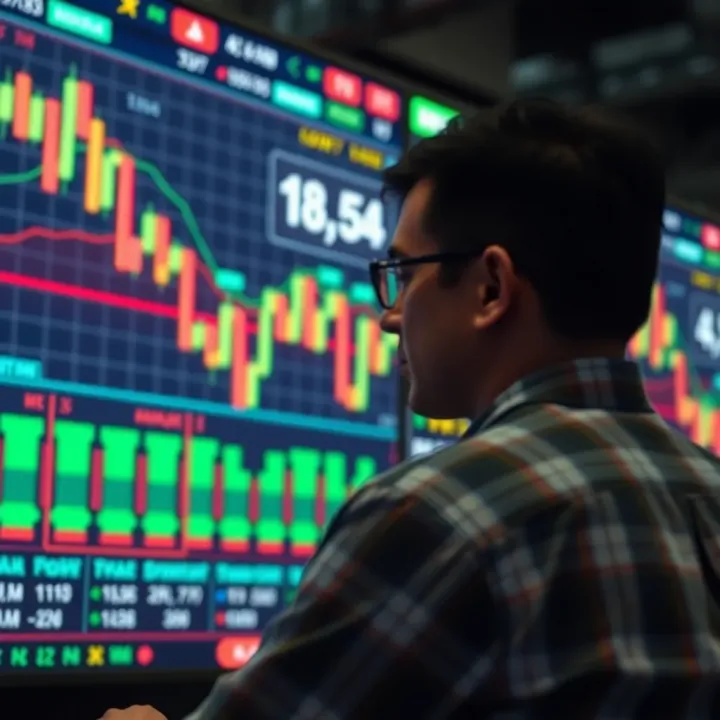
Choosing a well-structured course ensures you learn both theory and practical application, reducing risks and increasing confidence when you start trading live.
Such courses typically cover key areas like:
The fundamentals of forex markets and currency pairs
Technical analysis including candlestick patterns and trendlines
Risk management techniques
Trading psychology and decision-making processes
Many courses offer certification recognised within local trading communities, enhancing credibility when you trade or seek brokerage services. Plus, local training centres often understand Pakistan-specific trading dynamics, like the impact of SBP monetary policy or geopolitical events affecting PKR.
By investing time in a practical forex trading course, you get a chance to learn hands-on, often with demo accounts or simulated trading sessions. This approach helps to build not just knowledge but the confidence necessary to operate effectively in volatile currency markets.
In short, amid Karachi’s bustling financial scene, these courses provide clear pathways for traders to sharpen their skills, manage risks better, and approach currency trading with a professional mindset.
Forex trading involves buying and selling currencies to profit from fluctuations in exchange rates. This activity takes place 24 hours a day across global financial markets. In Karachi, understanding forex trading is essential because the city acts as Pakistan’s financial hub where many investors and traders seek new income streams amid volatile economic conditions.
Forex trading is the exchange of one currency for another at a current or agreed rate. Traders profit from changes in currency values by buying low and selling high or vice versa. Practically, it requires opening an account with a broker and using platforms like MetaTrader to execute trades. The process might seem technical at first, but beginner courses in Karachi break down these fundamentals clearly.
The most commonly traded pairs include USD/PKR, EUR/USD, GBP/USD, and USD/JPY. These pairs involve currencies from major economies and have higher liquidity compared to exotic pairs. In Karachi, traders often focus on USD/PKR because of its strong link to the local economy and remittance flows. Trading involves analysing charts and economic news to predict whether a currency will appreciate or depreciate.
Forex trading offers the potential for high returns but comes with significant risks, including leverage losses and market volatility. For example, sudden political announcements in Pakistan or the US-Fed interest rate changes can cause sharp moves. Traders in Karachi must use risk management tools like stop-loss orders to protect capital. Structured courses emphasise these risks to prepare newcomers properly.
Karachi hosts Pakistan’s largest port and stock exchange, making it the focal point of economic activity. The city attracts investors who want to hedge against PKR depreciation or capitalise on interest rate fluctuations. Additionally, inflows of remittances from Pakistanis abroad directly impact forex demand, keeping trader interest high.
With rising forex interest, many local and international brokers have set up operations in Karachi. Platforms like MetaTrader 4/5, cTrader, and local apps offer easy access to the forex market. These brokers provide demo accounts so beginners can practise without risking real money, making it easier for Karachi residents to learn and trade.
Pakistan’s regulatory framework, governed by the Securities and Exchange Commission of Pakistan (SECP) and State Bank of Pakistan (SBP), oversees currency transactions and brokers. While trading foreign currencies online is permitted, cross-border forex transactions must comply with SBP rules to avoid penalties. This regulatory clarity gives traders confidence but also stresses the need to use authorised brokers and understand legal limits.
Understanding how forex works locally and the environment that surrounds it is vital to succeed in trading. Karachi's dynamic market, combined with proper education, sets the foundation for informed trading decisions.

Karachi, being Pakistan's financial nerve centre, offers a variety of forex trading courses catering to different learning preferences and needs. For aspiring traders in Karachi, accessing structured courses provides the edge needed to navigate the volatile forex market with confidence. Such courses help bridge the gap between theory and practice, ensuring you develop relevant skills while staying updated with local market dynamics.
In-person classroom training remains a preferred choice for many learners who value direct interaction with trainers and peers. These sessions usually occur in financial hubs or dedicated training centres in Karachi, like Clifton or Gulshan-e-Iqbal. The physical presence allows for hands-on guidance, instant feedback, and discussion of local market issues, including regulations by the State Bank of Pakistan (SBP) and FBR's tax implications on trading profits. This format fits those who learn better through face-to-face engagement.
Online courses with local support have grown popular, especially post-pandemic, offering the convenience of flexible timing alongside the comfort of home. Many platforms provide live sessions with Karachi-based instructors who understand the local economy and trading atmosphere. Such courses often combine recorded lessons with interactive Q&A sessions, group chats, and trading contests to keep learners motivated. Examples include programmes provided by reputable institutions offering certificates recognised locally.
Workshops and seminars offer concentrated bursts of knowledge, perfect for those wanting a crash course or an update on recent trends. Karachi regularly hosts these events during economic forums or through trading clubs, featuring seasoned traders and analysts. These sessions provide valuable networking opportunities while focusing on niche topics like advanced technical analysis, risk management during currency crises, or the impact of global events on the PKR.
Several well-established forex academies operate in Karachi, such as the Forex Trading Academy and Karachi Traders Institute, known for their well-rounded curriculums and experienced faculty. These institutes often receive positive reviews for combining theory with ample practical exposure, something crucial given the fast-moving forex environment.
When selecting a trainer, consider:
Their real-market trading experience, preferably with a track record in Pakistani markets
Transparency regarding methods and success rates
Engagement style—do they encourage questions and real-time problem solving?
These factors contribute significantly to the quality of training you receive.
Feedback from former students often highlights the value of personalised mentoring and continuous support post-course. Success stories typically include individuals who started trading with Rs 50,000 and have grown their portfolios using strategies taught during the course. These testimonials help verify the practical benefits and outcomes of enrolling with a particular institute.
Choosing the right forex course in Karachi can make a tangible difference not only in skill acquisition but also in building confidence to trade in real Pakistani and international markets.
A complete forex trading course goes beyond theory and helps traders build practical skills essential for success in Karachi’s dynamic market. Core components such as technical and fundamental analysis, trading psychology, and hands-on practice form the backbone of effective training.
Technical and fundamental analysis are the foundation for making informed trading decisions. Technical analysis involves studying price charts, patterns, and indicators to predict future currency movements. For example, learning how to interpret candlestick patterns or moving averages helps traders identify entry and exit points. Fundamental analysis, on the other hand, focuses on economic indicators like interest rates, inflation, and political developments influencing currency values. In Karachi’s context, understanding the State Bank of Pakistan’s monetary policy announcements can be a game changer for traders.
Trading psychology and risk management often receive less attention but play a vital role in long-term success. This module teaches controlling emotions like fear and greed, which can cause impulsive trades or hesitation. Managing risk through proper position sizing and setting stop-loss limits protects traders from large losses. A trader who learns to accept losses calmly while following a disciplined strategy reduces stress and improves consistent profits.
Using trading software and platforms is another key skill. Courses introduce popular platforms like MetaTrader 4 or Pakistani broker platforms, showing how to place orders, use technical tools, and monitor trades. This hands-on experience reduces confusion and errors when trading live. For instance, knowing how to set alerts or backtest strategies on a demo account increases trader confidence.
Paper trading and demo accounts offer risk-free environments to practise strategies without real money. They mimic live market conditions with virtual funds, allowing new traders to understand order execution and platform navigation. This practise is crucial in Karachi where traders often face market volatility due to political or economic news.
Live market simulations bring realism by involving timed sessions with real-time data, pushing students to make quick decisions as they would in actual trading. This experience helps sharpen reflexes and develop discipline. For instance, handling sudden rupee fluctuations during a simulation prepares traders for real market shocks.
Case studies and performance reviews expose learners to practical scenarios drawn from past market events. Analysing these cases helps identify what strategies worked or failed under specific situations. Reviewing one’s trade journal alongside instructors provides personalised feedback and growth opportunities. This reflection enables traders in Karachi to adapt their tactics to local market behaviour.
A practical forex course with a balanced blend of theory, skill development, and real market exercises equips aspiring Karachi traders to face the currency market confidently and competently.
To sum up, a comprehensive forex course teaches you to read markets, manage emotions, use modern tools, practice without risk, and learn from real examples. These components together create a solid base for trading in Karachi’s evolving forex scene.
Earning a recognised forex trading certificate in Karachi adds credibility to your skills, whether you plan to trade independently or join the financial sector. Many traders find that certification not only boosts their confidence but also provides a clearer roadmap to navigate the complex currency market. For example, a certificate from a local, well-regarded institute like Karachi Forex Institute or PakTrade Academy often holds weight when presenting your expertise to potential employers or clients.
Certified traders tend to approach the market with a better understanding of risk management, which can reduce costly mistakes. This structured learning ensures they are familiar with both technical and fundamental analysis tools, improving their decision-making and trading strategies.
Brokers in Karachi and beyond value traders who come with proper training and certification. Such credentials often ease account approval processes and can grant access to better trading platforms or lower spreads due to demonstrated competence. Some brokers even offer special conditions or training discounts for certified traders, recognising their reduced risk profile.
For instance, a certified trader might find it easier to open accounts with reputed brokers licensed by the Securities and Exchange Commission of Pakistan (SECP), because the documentation reassures the broker about the trader's knowledge and compliance with regulatory norms.
Formal forex courses provide a planned curriculum that prevents information overload common in self-learning. The step-by-step modules build foundational knowledge before moving on to complex strategies. This disciplined format helps learners avoid common pitfalls, such as jumping into live trading without sufficient practice.
In addition, scheduled classes and deadlines encourage consistency—crucial for mastering techniques like chart reading and indicator use. For example, students following a course syllabus are less likely to skip essential topics like risk management, which self-taught traders often neglect.
One of the biggest perks of formal training is gaining access to experienced mentors who can answer questions and provide personalised feedback. In Karachi’s trading circles, mentorship often continues beyond the course duration, forming informal support networks.
Being part of a community helps traders discuss market trends and share real-time experiences that no book or video can fully capture. Weekly meetups or online groups formed through these courses offer practical insights, which seasoned traders often call the ‘market pulse’.
Forex markets never stay static, and formal courses in Karachi regularly update their content to reflect current economic events, policy changes, and technological developments. This ensures learners stay informed about local factors affecting currency movements, such as SBP monetary policy shifts or geopolitical tensions impacting the PKR.
For example, a course that includes sessions on using Pakistani financial news sources and FBR updates helps traders tie market analysis directly to their trading decisions, enhancing effectiveness and outcomes.
Completing a certified forex trading course in Karachi bridges the gap between theoretical knowledge and practical market experience, offering clear advantages for anyone serious about trading professionally or personally.
Embarking on a forex trading course requires more than just signing up. Understanding the enrolment steps and properly preparing can significantly impact your learning experience and eventual success in the market. Karachi offers various course options, but knowing how and when to enrol, the associated costs, and what groundwork to lay beforehand helps you make a wiser investment of your time and money.
Finding course schedules and pricing generally involves visiting the websites of training centres or contacting them directly. Many reputable institutes post their upcoming batches and fees on social media platforms or dedicated course pages. For example, a course offered by a respected academy in Karachi might cost anywhere between Rs 25,000 to Rs 75,000 depending on its duration and depth.
Schedules are often batch-based, with weekend or evening classes to accommodate working professionals. It pays to check well in advance since popular courses fill up quickly, especially those including live market sessions.
When it comes to scholarships or discounts, a few institutes offer fee reductions to students or early registrants. Sometimes discounts are given during Pakistan’s festival seasons like Ramazan or Eid, or for group enrolments. If budget is a concern, inquire about instalment plans many training centres provide to spread out payments without heavy upfront costs.
Basic knowledge prerequisites typically include a familiarity with economic terms like inflation, exchange rates, and basic computer skills for using trading platforms. While most courses start from scratch, entering with some financial literacy helps you follow lessons easily. You might also want to brush up on using Excel or charting tools ahead of time.
Setting realistic goals and expectations is crucial for motivation and progress. For example, instead of aiming to “make millions quickly”, focus on understanding market trends, developing risk management skills, and practising consistently. This approach prevents frustration and builds a solid foundation for long-term trading.
Building a trading journal and study routine during the course supports continuous improvement. Recording daily market observations, trade ideas, and results fosters disciplined habits. If you dedicate at least 1-2 hours daily to reviewing course material and documenting your learning, you’ll see faster progress. Many successful traders credit their growth to maintaining such journals.
Starting a forex trading course with clear steps and preparation can save you from common pitfalls and boost your confidence to trade effectively in Karachi’s dynamic market.
Taking these steps seriously ensures you get the most out of your forex education and put yourself on a path toward informed, sustainable trading.
Learn forex trading basics tailored for Pakistani traders 🇵🇰, including key terms, risk control, platform choice & practical steps for confident trading 📈💹.
📊 Learn how forex trading signals guide Pakistani traders on timing market entry and exit, choosing trusted providers, and managing risks effectively in forex markets.

💹 Learn forex trading basics in Pakistan, explore market factors, pick trusted brokers, and manage risks for safer investments growing your PKR portfolio effectively.
Discover how forex trading systems guide Pakistani traders with clear strategies, key components, and practical tips to trade currencies confidently 💹
Based on 10 reviews