
Key Steps in Risk Management for Pakistani Businesses
🔍 Explore key sub-processes in risk management to identify, assess, and control threats in Pakistani organisations, ensuring smoother and safer operations nationwide.
Edited By
Charlotte Hughes
Risk management is about spotting potential threats early and taking steps to keep them from causing harm to your business or investment. This applies across sectors—from financial trading and investments to fintech startups—and helps you prepare for uncertainties in Pakistan’s dynamic market environment.
At its core, risk management involves identifying, assessing, and controlling risks that could affect your objectives. For example, a trader might face currency fluctuations, while a fintech company could be exposed to cybersecurity threats.

Consider a Karachi-based export firm: sudden changes in foreign exchange rates or delays at the port could seriously impact profits. By recognising these risks and planning ahead, the firm can use tools like forward contracts or insurance to shield itself against sharp losses.
Poor risk management often leads to unexpected financial setbacks, missed opportunities, and stalled growth. However, effective risk handling turns these challenges into manageable issues.
Risk Identification: Spotting the full range of risks your business or portfolio might face. This includes market risk, credit risk, operational risk, and compliance risk with Pakistan’s regulations.
Risk Assessment: Evaluating the likelihood of each risk and its possible impact in terms of financial loss or operational disruption.
Risk Control: Implementing measures to reduce or eliminate risks. This might be through diversification, hedging, or enforcing stricter compliance controls.
Monitoring and Review: Risks and environments change constantly, so ongoing tracking and adjustments are crucial.
In the fintech sector, companies often deal with regulatory risks tied to State Bank of Pakistan (SBP) guidelines or Pakistan Telecommunication Authority (PTA) rules. Staying updated on these policies and adjusting operations accordingly can prevent hefty fines or licence suspension.
In summary, risk management helps you look at what could go wrong, how bad it might be, and what you can do about it—before it actually happens. This mindset is essential for anyone operating in Pakistan’s fast-changing economic and regulatory landscape.
Risk management is essential for anyone dealing with financial markets, investments, or business operations. It is the approach organisations or individuals use to foresee potential problems and lessen their impact before they escalate. In Pakistan’s volatile economic landscape, such as fluctuations in the rupee or frequent loadshedding, understanding risk management helps safeguard assets and operations.
The concept of risk refers to the possibility of an event causing loss or damage. This could be anything from currency depreciation affecting import costs to a political decision disrupting supply chains. For instance, PKR devaluation can increase the cost of machinery for manufacturers, which directly impacts their profit margins.
Elements of the risk management process include identifying risks, analysing their likelihood and impact, deciding how to handle them, and then monitoring the situation continuously. For example, a textile exporter in Faisalabad might identify risks like cotton supply shortages, assess the severity, formulate backup supplier options, and keep track of market trends to adjust plans.
Objectives of risk management are to reduce uncertainty, protect resources, and support organisational objectives. By managing risks effectively, a fintech startup in Karachi can avoid losses from cyber threats and focus on growth.
Why organisations need risk management is straightforward: to stay operational and competitive. In Pakistan’s dynamic regulatory environment, firms must manage risks related to compliance with FBR tax laws and SECP regulations. Without this, businesses risk fines or legal troubles.
Benefits for businesses and projects include improved decision-making, cost savings, and enhanced resilience. A construction company tackling a project in Islamabad, aware of monsoon risks, can prevent costly delays with better planning.
Impact on decision-making is one of the most practical advantages. When risks are understood, leaders make informed choices about investments or expansions, balancing potential rewards with possible downsides. For example, a stockbroker advising clients on equities considers market volatility and geopolitical tensions that might affect market prices.
Effective risk management turns uncertainties into manageable affairs, letting businesses focus on their core goals with confidence.
In sum, risk management is not just a formal process but a necessary mindset that protects businesses from unexpected disruptions, sharply relevant in Pakistan’s complex economic and political conditions.
Risk management involves a series of steps designed to identify, assess, control, and monitor risks effectively. Each step plays a vital role in helping businesses and projects foresee potential problems and take practical measures to address them. In Pakistan’s dynamic economic and regulatory environment, following these steps ensures organisations can safeguard their operations against unforeseen shocks.
The first step is spotting possible risks that might affect your project or business. Sources of risk can be internal, such as process inefficiencies, or external factors like political instability or sudden changes in FBR tax rules. For example, a Pakistani textile exporter may face risks from fluctuating export tariffs or supply chain disruptions caused by loadshedding.
To identify these risks, businesses often hold brainstorming sessions with teams familiar with different areas, or consult industry experts. Techniques like SWOT analysis (Strengths, Weaknesses, Opportunities, Threats) help map out risks systematically. Companies can also review past projects or incidents to spot recurring issues. Early identification prevents surprises later and allows for better preparedness.
Once risks are identified, organisations evaluate their likelihood and impact. This means estimating how probable a risk event is and how severely it could affect objectives. A fintech startup in Lahore might assess the risk of cyberattacks as high likelihood with significant impact on customer trust.
There are two main methods to evaluate risks: qualitative and quantitative. Qualitative assessment uses descriptive scales such as "low", "medium", or "high" to classify risks based on expert judgment. Quantitative methods assign numeric values, like calculating potential financial losses in Rs. Both methods can be combined. For instance, a bank might first rank risks qualitatively, then estimate potential losses using data analysis to make more precise decisions.
Managing risk requires choosing effective strategies to either prevent or lessen its effects. Common strategies include avoiding the risk entirely—like not entering a volatile market—or reducing the chance or severity by improving processes and controls.
Transferring risk is another tactic, such as through insurance or contracts that shift liability. Acceptance involves recognising some risks must be tolerated, often where mitigation costs more than the potential loss. A Karachi-based manufacturing firm might accept minor machinery breakdown risks but insure expensive equipment against fire.
Risk management is not a one-off task; it demands continuous tracking. Businesses should keep monitoring risk factors and the effectiveness of control measures. This helps identify new risks or changes in existing ones. For example, sudden inflation increases may alter previously assessed financial risks.
Based on these observations, risk management strategies may need adjustment. An SME might strengthen cybersecurity if online threats rise or renegotiate supplier contracts if delivery delays become frequent. Regular reviews ensure the risk approach stays relevant and responsive to actual conditions.
Effective risk management depends on disciplined follow-through; recognising risks is just the start, while ongoing vigilance shapes long-term resilience.
By systematically applying these steps, Pakistani traders, investors, and financial analysts can better shield their interests and navigate uncertainties with greater confidence.
Understanding the various types of risks in business and projects helps traders, investors, and financial professionals prepare better strategies for dealing with potential setbacks. Each category of risk demands specific attention because ignoring any could lead to financial losses or project failure. This section examines these risks with a focus on practical implications for Pakistani markets.
Currency fluctuations affecting Pakistani rupee impact businesses involved in imports, exports, and foreign investments. Since the rupee can move unpredictably against the dollar or euro, companies must monitor exchange rates closely to avoid unexpected costs. For example, a sudden depreciation of the rupee can increase the local price of imported raw materials, squeezing profit margins for manufacturers.
Credit and liquidity risks refer to a company’s ability to meet its financial obligations. In Pakistan’s volatile economy, delays in payments from clients or difficulty in accessing bank financing may cause cash flow issues. This puts businesses at risk of defaulting on loans or failing to pay suppliers, which disrupts operations and damages reputation.
Impact of loadshedding is a major operational challenge in Pakistan. Sudden power outages can halt production lines, delay service delivery, and increase operating costs due to reliance on backup generators. Smaller firms often struggle more as they lack resources for alternative power solutions, affecting overall productivity and customer satisfaction.
Supply chain disruptions have become common due to factors like border delays or transport strikes. Businesses relying on timely delivery of goods may face inventory shortages or rising freight costs, impacting their ability to meet market demands. For example, retailers might see stock-outs during peak seasons, hurting sales and brand loyalty.
Compliance with FBR tax laws is critical to avoid penalties and legal complications. Pakistani businesses must keep up with frequent tax code changes, submit correct filings, and maintain transparent accounts. Failure to comply can lead to hefty fines or audits by the Federal Board of Revenue (FBR), affecting financial stability.
Changes in SECP regulations affect publicly listed companies and financial institutions. New rules on disclosure, governance, or capital requirements can require adjustments in corporate policies and practices. Staying updated ensures smooth operations and reduces risks of regulatory sanctions from the Securities and Exchange Commission of Pakistan (SECP).
Competition in Pakistani markets is intense across sectors, from textiles to technology. Companies must continuously innovate and optimise costs to retain market share. Ignoring competitors’ moves or consumer preferences can result in lost opportunities and dwindling profits.
Shifts in consumer behaviour — such as increased online shopping or demand for sustainable products — require businesses to adapt quickly. Failing to respond to these shifts might make earlier strategies obsolete. For instance, a retailer not developing an e-commerce presence risks losing customers to more digitally-savvy competitors.
Understanding these risk types not only helps manage threats but also enables seizing opportunities by aligning strategies with the real business environment in Pakistan.
Financial risk management requires constant monitoring of currency and credit conditions.
Operational risk mitigation involves preparedness for loadshedding and supply chain alternatives.
Legal compliance calls for vigilance on FBR and SECP updates.
Market risk demands agility in responding to competitors and customers.
Knowing these specifics sharpens risk awareness and helps traders, investors, and analysts make better decisions in Pakistan's complex business landscape.
Effective risk management depends heavily on practical approaches and tools tailored to identify, assess, and control risks systematically. These tools are the backbone of risk processes, allowing businesses—especially in Pakistan's dynamic markets—to stay ahead of potential threats. For traders, investors, and financial analysts, using the right tools ensures risks are not just spotted but also managed with precision.
Maintaining clear risk records is fundamental to successful risk management. A risk register acts as a central log that tracks identified risks, descriptions, their likelihood, impact, and mitigation measures. This documentation keeps everyone aligned and helps prevent risks from slipping through the cracks. For example, a financial firm monitoring currency risk due to rupee volatility can use the risk register to update the changing exposure regularly.
In Pakistani businesses, risk registers have gained popularity because they simplify complex risk landscapes, especially in sectors hit by loadshedding or regulatory changes. SMEs and startups in Karachi or Lahore often create risk registers to track operational and compliance risks, which improves transparency for shareholders and advisors. The registers also support audits when dealing with FBR compliance or SECP regulations.
Mapping risk severity and likelihood through assessment matrices allows organisations to visualise how dangerous a risk is and how probable it might occur. This tool classifies risks on a grid—typically with likelihood on one axis and impact on the other—making it easier to communicate priority levels. For instance, a stockbroker might use this to decide which market risks demand immediate attention and which can be monitored steadily.
Prioritising risks effectively is crucial, especially when resources are limited. The matrix helps focus efforts where they matter most, such as preparing for political instability in Pakistan’s market or protecting investments against inflation surges. By systematically prioritising, businesses can allocate capital and management attention more wisely, preventing unnecessary spreads of effort.
Local and international solutions for risk management software are now accessible even to medium-sized Pakistani firms. Platforms like RiskWatch or local adaptations offer dashboards for real-time risk tracking, combining analytics with alerts tailored to Pakistan’s economic shifts. Fintech firms use such tools to monitor credit risk or alert investors about market shifts quickly.
Automation in risk monitoring reduces manual oversight and speeds up response times. Automated notifications about exposures, regulatory updates, or market anomalies keep managers informed. For example, a trading house might get instant alerts when the SBP adjusts interest rates or when new FBR compliance deadlines approach, allowing immediate strategy adjustment. This level of automation cuts down human error and enhances decision-making agility.
Clear documentation, prioritised assessments, and proper tools form the foundation for managing risk effectively in Pakistan's fast-changing business environment. Without them, even well-planned strategies can falter under unexpected pressures.
Using these approaches lets traders, investors, and financial analysts keep risks visible and manageable, helping Pakistan’s businesses grow more resilient and competitive.
Risk management in Pakistan must address the country's unique regulatory, economic, and political environment. Businesses here face challenges like fluctuating currency rates, inflation pressures, and regulatory shifts that can quickly affect profitability and operations. Effective risk management helps organisations, investors, and financial professionals navigate these uncertainties with greater confidence and agility.
The Federal Board of Revenue (FBR) and the Securities and Exchange Commission of Pakistan (SECP) are key players shaping compliance requirements. FBR's tax policies and enforcement affect company liquidity and planning, while SECP regulates corporate governance, securities markets, and financial disclosures. Firms that understand the frameworks of these bodies can avoid penalties and align their risk strategies with legal expectations.
Adapting to changing regulations is a practical necessity. For example, FBR often revises tax filing procedures, and SECP updates listing rules on the Pakistan Stock Exchange (PSX). Businesses must stay alert to these changes and adjust their internal controls, reporting methods, and risk registers accordingly. This ensures smooth operations and helps maintain investor confidence.
Currency volatility and inflation in Pakistan frequently challenge financial forecasting. The Pakistani rupee's value against the US dollar and other currencies can swing, affecting import costs and debt servicing in foreign exchange. Inflation, often above double digits, erodes purchasing power and raises operational costs. Traders and analysts must factor such risks into pricing, contracts, and reserve funds.
Political instability adds another layer of risk. Unpredictable government policies, protests, and security concerns can disrupt supply chains, investor sentiment, and overall market conditions. Companies with detailed contingency plans and diversified market strategies tend to absorb shocks better in this environment.
"Managing risk in Pakistan requires understanding local dynamics — from regulatory updates to economic shifts and political developments."
Manufacturing, agriculture, and services each face different risks. For instance, manufacturing suffers from loadshedding and import delays, affecting production timelines. Agriculture depends heavily on rainfall patterns and market access, and services must adjust to consumer spending fluctuations and digital transformation risks.
SMEs and startups encounter particular challenges as well. Limited capital, unfamiliarity with formal risk frameworks, and difficulty accessing credit magnify their risks. Yet, these enterprises gain by adopting basic risk management tools early, such as cash flow monitoring and compliance checklists. This can improve their resilience and appeal to investors.
Overall, risk management tailored to Pakistan's realities enables traders, investors, and financial professionals to make informed decisions and protect their interests amidst uncertainty.
🔍 Explore key sub-processes in risk management to identify, assess, and control threats in Pakistani organisations, ensuring smoother and safer operations nationwide.

🌪️ Learn about disaster risk management in Pakistan—what it is, key parts, govt and community roles, how tech helps, plus ways to boost preparedness and response.
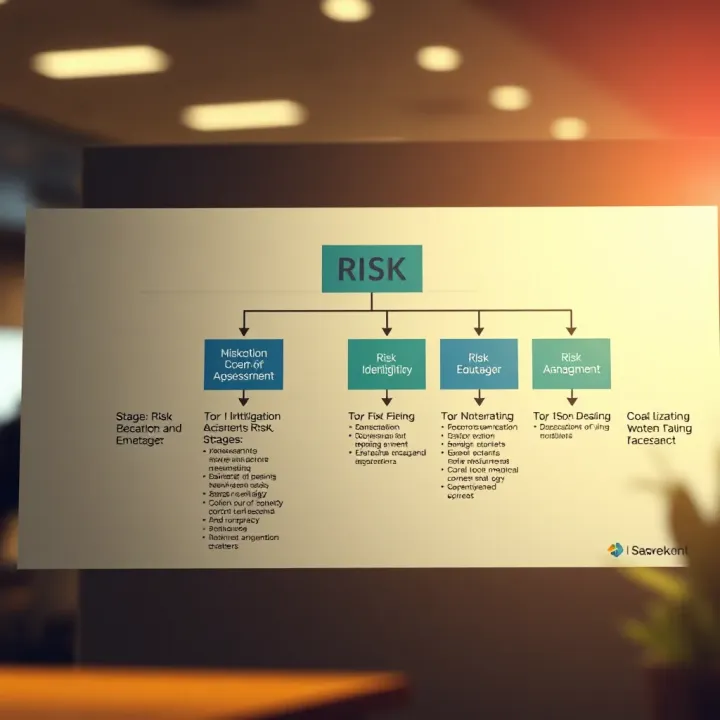
📊 Understand risk management, its key role in reducing losses, types of risks Pakistani businesses face, effective tools, processes, and best practices for success.
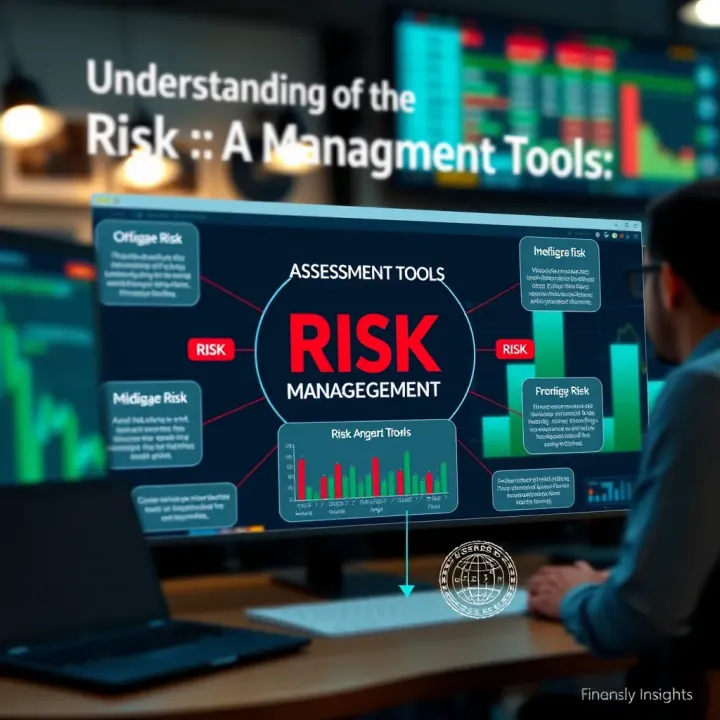
Explore risk management tools 🛠️ businesses in Pakistan use to identify, assess, and reduce threats, improving decisions and protecting operations efficiently.
Based on 5 reviews